A Relook at Silver: Demand, Deficits, and Its Role in a Diversified Portfolio

A relook at silver following the recent run-up
Following silver’s recent rally, the metal has returned to the spotlight. Often viewed as gold’s poorer cousin, silver has nonetheless played a meaningful role historically, going back to Ancient Sumeria where the silver shekel functioned as an early unit of account.
What makes silver distinct from gold, however, is its dual identity as both a traditional store of value and an industrial commodity, making its behavior sensitive to both macro and real-economy forces. Historically, silver has also shown a relatively low correlation with equities, offering potential diversification benefits.
In today’s Bulletin, we take a closer look at silver — its demand drivers, its historical performance, and how to think about it in a diversified portfolio.
A market in structural deficit
Silver supply has remained largely rangebound over the past decade, with global production averaging around 30,000 – 32,000 tonnes annually. Roughly 80% of this supply comes from mining, concentrated among a few key producers such as Mexico, Peru, China, and Russia.
While the silver supply has broadly met demand, this has shifted in recent times. Over the past years, demand has consistently outpaced supply. In 2022, the shortfall was particularly pronounced, with demand exceeding supply by nearly 8,000 tones. Although the deficit has since narrowed, 2025 marked the fifth consecutive year of undersupply — raising the possibility of the imbalance becoming structural.
What’s driving silver demand
Industrial use is the primary driver of silver demand today, accounting for nearly 60% of total consumption in 2024, up from around 50% in 2016. This increase underscores silver’s growing importance as an industrial input rather than just a precious metal.
In contrast, demand from traditional segments such as jewellery, silverware, and physical investment has remained relatively stable over the past decade. Recent changes in silver’s demand profile are being driven less by legacy uses and more by evolving industrial requirements.
Silver in the technologies of tomorrow
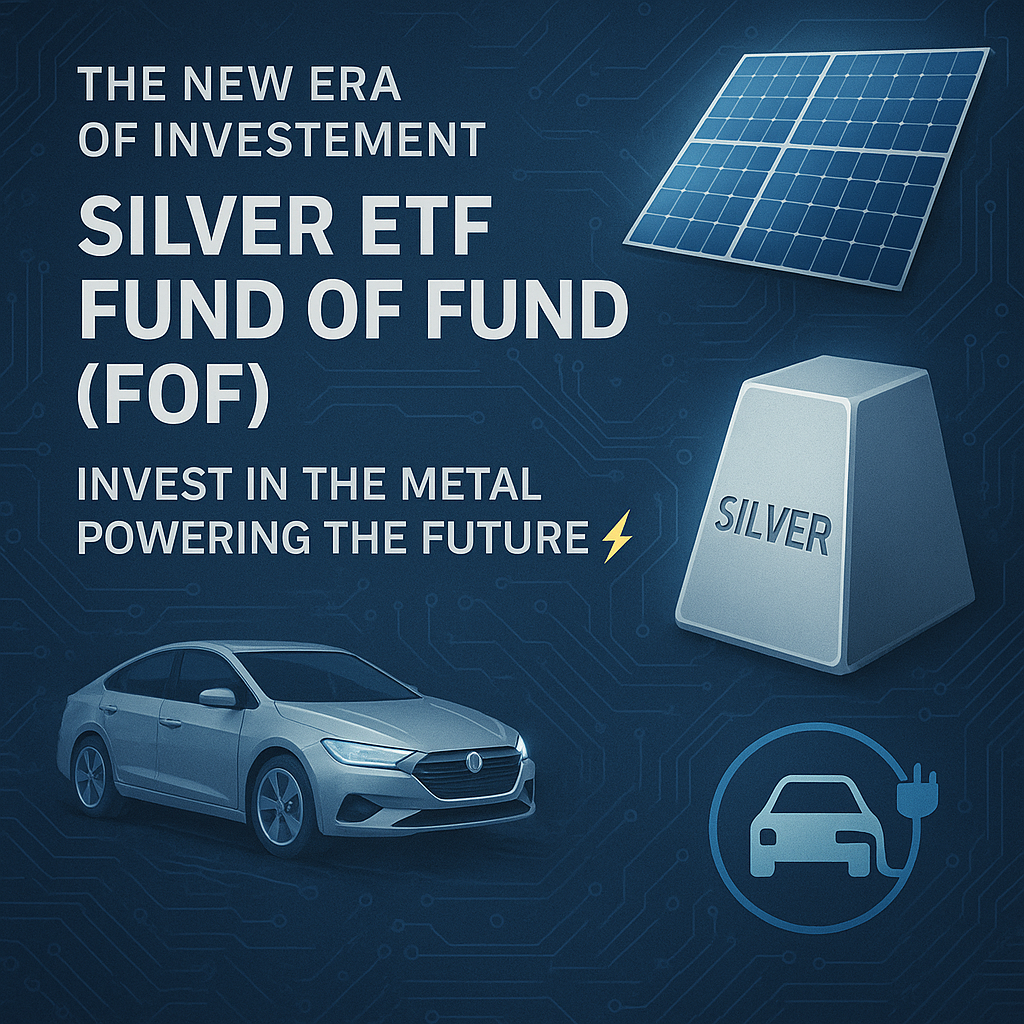
Beyond conventional industrial applications, silver is playing an increasingly important role in new-age technologies. Photovoltaic cells — a key component of the global clean energy transition — now account for over 15% of global silver demand.
The shift toward electric mobility is another significant driver. Electric vehicles require meaningfully higher silver content than ICE* vehicles. Additionally, silver is finding growing use across areas such as biopharma, 5G infrastructure, and advanced electronics, reinforcing its relevance in next-generation technologies.
Tracking silver’s market performance
Silver has delivered competitive returns across timeframes and has historically outperformed equity markets over the short-, medium-, and long-run.
Silver has historically exhibited a low correlation with equities and has often outperformed it during periods of market stress, making it a potential diversifier in multi-asset portfolios.
Closing Thoughts
Silver holds a distinctive position among metals, combining its role as a precious metal with that of a critical industrial metal. Its relevance is expanding as demand grows from areas such as solar energy, electric mobility, and advanced technologies.
From a portfolio perspective, silver has historically offered diversification benefits, supported by its relatively low correlation with equities and periods of outperformance during market stress. As with any asset, its role will vary by investor, and professional advice should be considered before making investment decisions.